
Top Cleaning and Household Essentials Every Home Needs
Top Cleaning and Household Essentials Every Home Needs Keeping your home clean doesn’t have to be overwhelming or expensive when

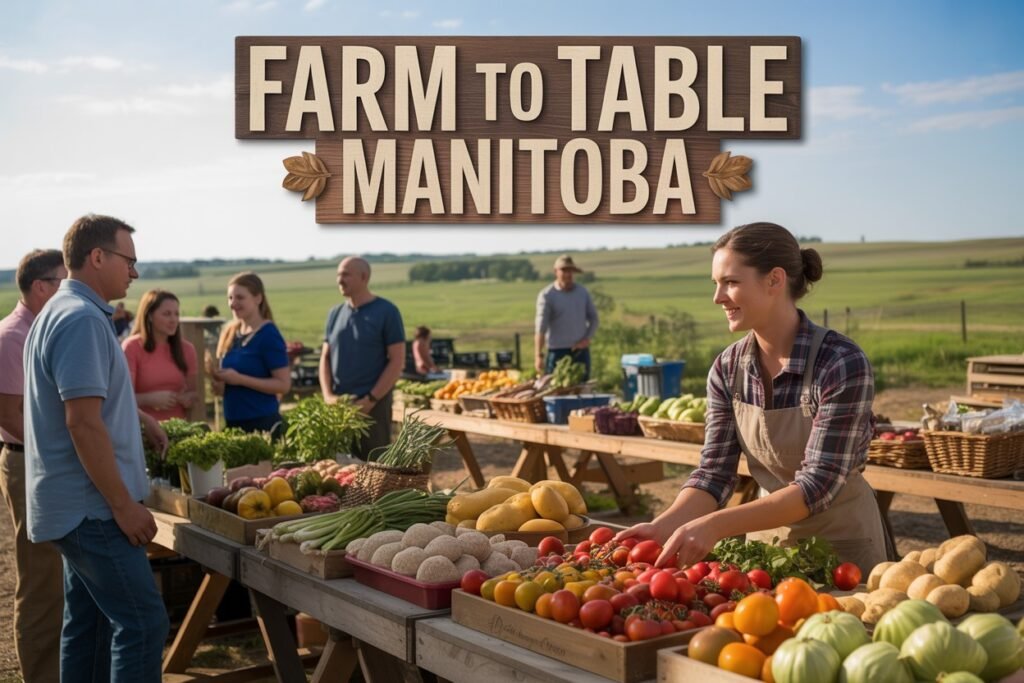
Manitoba’s local food movement connects conscious consumers with fresh, high-quality products straight from prairie farms. This guide is for home cooks, families, and food enthusiasts who want to support local agriculture while enjoying the best Manitoba has to offer.
We’ll explore how buying from local Manitoba producers benefits your health, wallet, and community. You’ll discover practical ways to build relationships with farmers in your area and learn where to find the freshest seasonal products. We’ll also cover how choosing local foods helps reduce environmental impact while strengthening Manitoba’s agricultural economy.
From farm to table eating isn’t just a trend—it’s a way to connect with your food source and make choices that matter for your community.
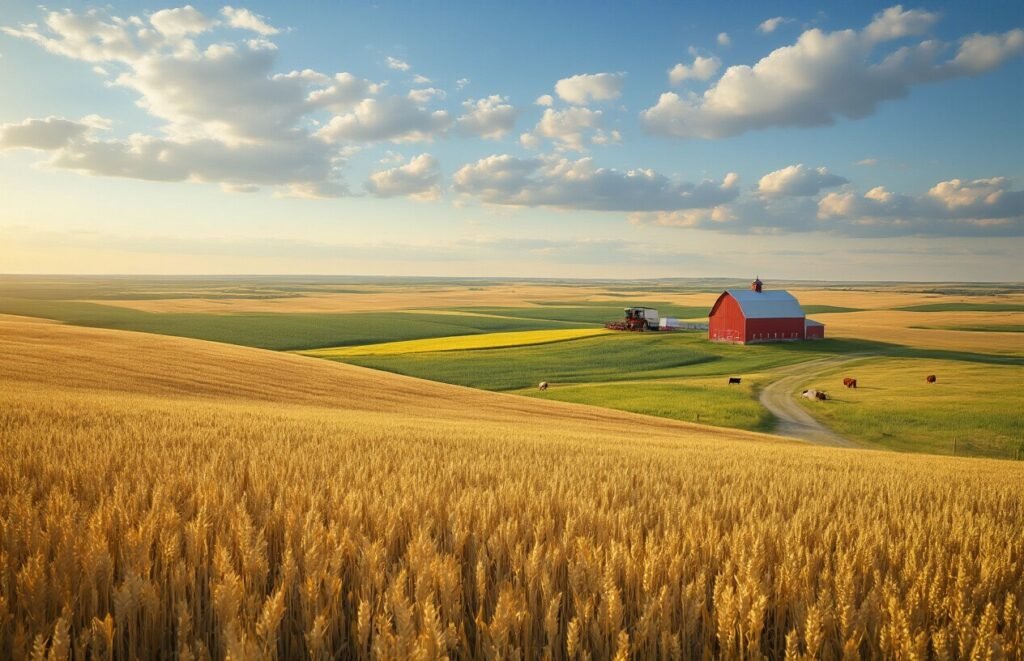
Manitoba stretches across three distinct prairie regions, each offering unique growing conditions that shape what ends up on your dinner table. The Red River Valley dominates the southern landscape with its incredibly fertile soil – some of the richest farmland you’ll find anywhere in North America. Here, massive wheat fields stretch to the horizon alongside canola crops that paint the countryside bright yellow each summer.
Head west toward the Parkland region, and you’ll discover a different agricultural story. Rolling hills dotted with mixed farms create a patchwork of grain fields, pastures, and woodlots. This area excels at producing barley, oats, and providing excellent grazing land for cattle operations. The slightly cooler temperatures and varied topography make it perfect for diversified farming.
The northern Interlake region offers yet another farming experience, where sandy soils and shorter growing seasons favor specialty crops like potatoes and root vegetables. Many Indigenous communities in this area practice traditional farming methods alongside modern agriculture, creating a rich tapestry of food production techniques.
Each region brings something special to Manitoba’s agricultural bounty. The Pembina Valley produces amazing vegetables and tree fruits, while areas around Brandon focus heavily on grain production and livestock. This geographic diversity means you can source everything from heritage grains to grass-fed beef without traveling far from home.
Manitoba’s continental climate creates distinct seasonal rhythms that smart food lovers learn to follow. Spring planting typically begins in April when the frost risk drops, with cool-season crops like peas and wheat going in first. By May, farmers are busy planting canola, flax, and early vegetables as soil temperatures warm up.
Summer brings the peak growing season from June through August. This is when you’ll see farmers markets explode with fresh produce – strawberries in late June, followed by raspberries, beans, tomatoes, and corn throughout July and August. Smart shoppers know that late July through September offers the best selection and prices for most vegetables.
Harvest season transforms the province from September through November. Grain crops come off first, followed by root vegetables that can handle light frosts. Potatoes often stay in the ground until October, while hardy crops like carrots and parsnips can be harvested well into November.
Winter might seem quiet, but many greenhouse operations keep producing fresh greens, herbs, and microgreens year-round. Plus, this is when you’ll find the best deals on frozen and preserved local products from the previous season’s harvest.
Manitoba produces an impressive range of food that might surprise even longtime residents. On the crop side, wheat remains king, but canola has become equally important, along with barley, oats, flax, and field peas. These aren’t just commodity crops – many small-scale producers grow heritage varieties of wheat and specialty grains that create unique flavors for artisan breads and craft brewing.
Vegetable production spans everything from massive potato operations in the sandy soils near Portage la Prairie to small market gardens growing dozens of heirloom tomato varieties. Manitoba greenhouse operations produce cucumbers, peppers, and leafy greens even in winter, while outdoor farms excel at root vegetables, brassicas, and herbs that thrive in the prairie climate.
Livestock operations offer equally impressive variety. Beef cattle graze across millions of acres, producing some of Canada’s finest grass-fed and grain-finished beef. Pork production focuses on sustainable, high-welfare operations, while dairy farms supply fresh milk, cheese, and other dairy products. Don’t overlook the growing poultry sector – both conventional and free-range operations provide chicken, turkey, and fresh eggs.
Specialty producers add even more options: bison ranches, sheep farms producing lamb and wool, goat operations making artisan cheese, and even elk and deer farms. Beekeepers throughout the province produce distinctive honeys that reflect Manitoba’s diverse wildflower populations, from light clover honey to dark buckwheat varieties.

Manitoba’s farmers’ markets offer the perfect opportunity to meet the people behind your food. These vibrant weekend gatherings create a relaxed atmosphere where you can chat with farmers about their growing practices, ask questions about seasonal produce, and learn cooking tips directly from the source. Regular visits to markets like the St. Norbert Farmers’ Market or Downtown Winnipeg’s Old Market Square help you recognize familiar faces and build genuine friendships with local producers.
The beauty of market shopping lies in the personal touch. Farmers love sharing stories about their crops, weather challenges, and family traditions. You’ll discover which varieties of tomatoes perform best in Manitoba’s climate, learn the difference between storage onions and sweet varieties, and get insider tips on when the best strawberries will arrive. These conversations transform grocery shopping from a routine chore into an educational adventure that connects you to the land and seasons.
Community-supported agriculture (CSA) programs create the strongest possible bond between consumers and local farms. By purchasing a share at the beginning of the growing season, you become a partner in the farm’s success while receiving weekly boxes of fresh produce throughout the harvest months. Manitoba offers numerous CSA options, from traditional vegetable boxes to specialized programs focusing on herbs, flowers, or even meat shares.
CSA membership goes beyond simple transactions. You share in the farmer’s risks and rewards, celebrating abundant harvests while understanding the challenges of drought or unexpected weather. Many programs include farm newsletters, recipes, and invitations to member-only events. Popular Manitoba CSAs like Tipi Creek Farm and Garden Hill Farm often provide pick-up locations throughout Winnipeg and surrounding communities, making participation convenient for urban dwellers.
Nothing beats stepping onto a working farm to understand where your food originates. Manitoba farms regularly host open houses, harvest festivals, and educational tours that welcome visitors of all ages. These events showcase everything from organic vegetable operations to heritage grain farms, dairy facilities, and specialty crop producers like Manitoba’s growing hemp industry.
Farm visits provide incredible learning opportunities. You’ll witness sustainable farming practices in action, understand the hard work behind food production, and gain appreciation for farmers’ dedication to land stewardship. Many farms combine tours with seasonal activities like u-pick berries, corn mazes, or pumpkin patches, creating memorable family experiences while supporting local agriculture.
Digital connections complement in-person relationships beautifully. Manitoba farmers actively use Facebook, Instagram, and Twitter to share daily farm life, announce harvest updates, and promote seasonal availability. Following local producers online keeps you informed about market schedules, new products, and special events throughout the year.
Farm websites and social media pages often feature ordering systems for direct sales, seasonal newsletters, and behind-the-scenes glimpses of farm operations. You’ll see sunrise photos from morning chores, weather updates affecting crop growth, and proud moments when farmers harvest their first tomatoes or bring in the grain. These digital touchpoints help maintain connections between market visits and create anticipation for upcoming seasons.
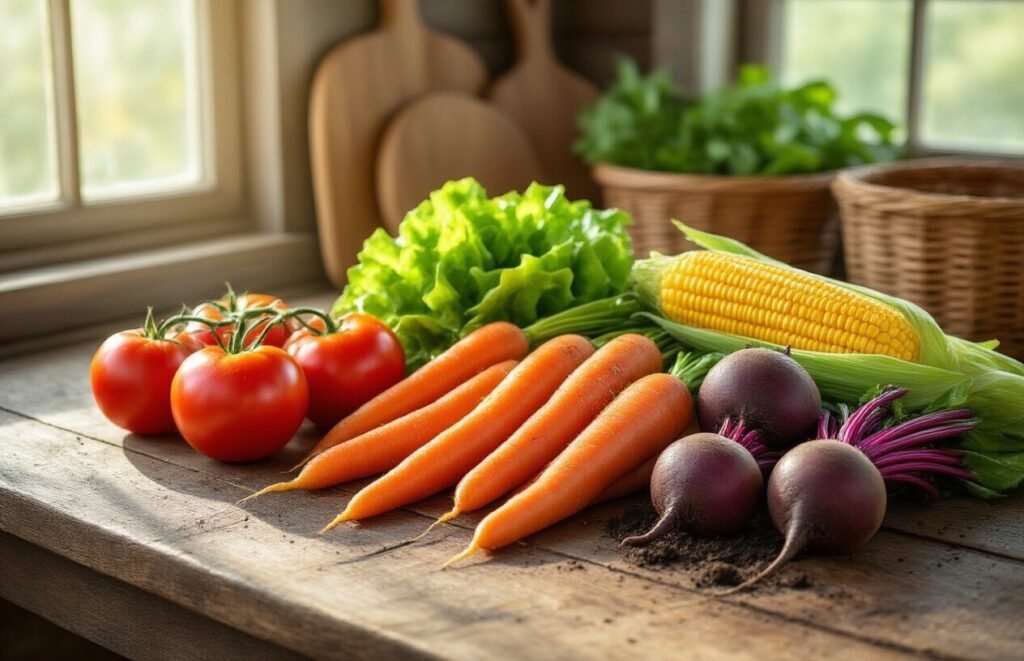
When you bite into a Manitoba strawberry picked yesterday versus one that traveled thousands of miles over several weeks, the difference is unmistakable. Local produce reaches your table at its absolute peak ripeness, delivering flavors that supermarket vegetables simply can’t match. Farmers harvest their crops at the perfect moment when sugar content, texture, and taste reach their optimal balance.
Take tomatoes, for example. Commercial varieties are typically picked green and artificially ripened during transport, sacrificing that burst of sweet, tangy flavor. Manitoba greenhouse tomatoes and field varieties can ripen naturally on the vine before making their short journey to your kitchen. This natural ripening process develops complex flavor compounds that create the rich, full taste you remember from childhood gardens.
Local corn presents another perfect example. The sugars in corn begin converting to starch immediately after harvest. Corn from distant farms loses much of its sweetness during the days or weeks of transportation and storage. Manitoba corn picked in the morning can be on your dinner table that same evening, preserving its natural sweetness and tender texture.
Nutritional content peaks at harvest and steadily declines afterward. Every day that passes between picking and eating reduces the vitamin and mineral content of your produce. Local Manitoba products spend minimal time in transit and storage, preserving essential nutrients that your body needs.
Vitamin C is particularly sensitive to time, light, and temperature. Spinach loses up to 75% of its vitamin C within just seven days of harvest when stored at room temperature. Local leafy greens from Manitoba farms retain significantly higher levels of this crucial antioxidant. Similarly, B vitamins, folate, and carotenoids degrade rapidly after harvest, making locally sourced produce a nutritional powerhouse compared to long-distance alternatives.
Fresh herbs showcase this principle beautifully. Basil, parsley, and cilantro from local growers maintain their vibrant green color and potent essential oils, which contain antimicrobial and antioxidant properties. These compounds diminish quickly once harvested, making the short farm-to-table journey crucial for both flavor and health benefits.
The typical grocery store apple has traveled an average of 1,500 miles and may have been stored for up to a year before reaching your shopping cart. Manitoba apples from local orchards can be in your hands within days of being picked, dramatically shortening this harvest-to-consumption timeline.
This reduced timeframe benefits more than just nutritional content. Shorter storage periods mean less exposure to ethylene gas, which accelerates ripening and decay. Local produce requires fewer preservatives and waxes commonly applied to extend shelf life during long-distance shipping. You’re getting food in its most natural state, free from many of the chemicals used to maintain appearance during extended storage periods.
Root vegetables like carrots, beets, and potatoes demonstrate this advantage clearly. Locally grown varieties maintain their firm texture, bright colors, and earthy flavors because they haven’t spent weeks dehydrating in storage facilities. The crisp snap of a fresh Manitoba carrot versus the rubbery texture of an over-stored alternative tells the complete story of why shorter harvest-to-table times matter for both taste and nutrition.
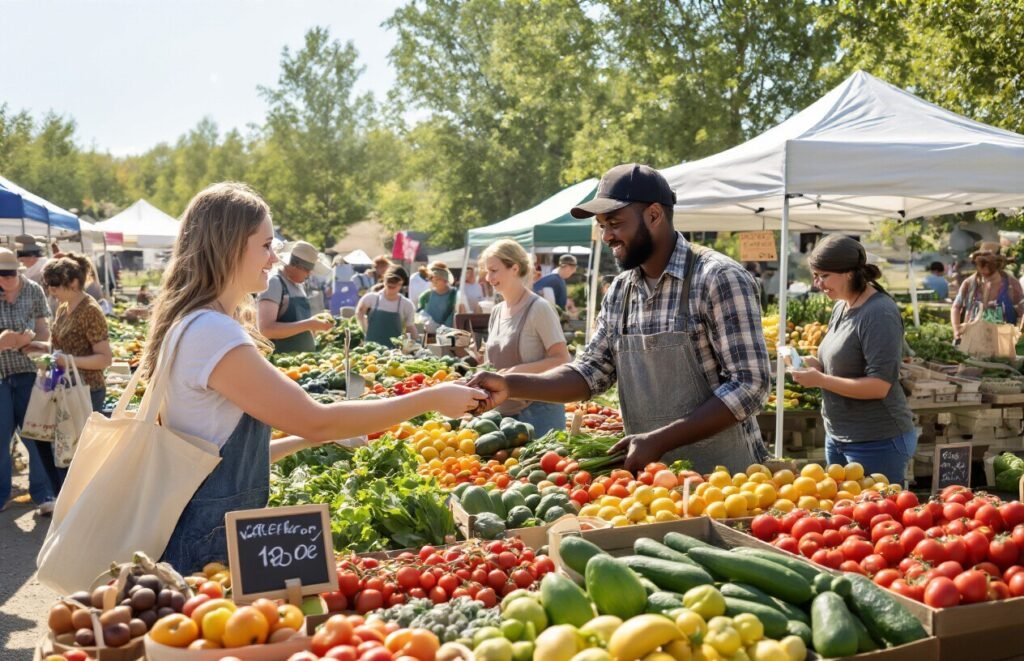
When you buy from local Manitoba producers, your money stays close to home instead of heading to distant corporate headquarters. Every dollar spent at a local farm or farmers market typically generates an additional $1.90 in local economic activity. This multiplier effect happens because local farmers spend their earnings at nearby businesses – the hardware store, the feed supplier, the local restaurant for lunch.
Think about it: when you buy strawberries from a Manitoba berry farm, that farmer uses those profits to hire seasonal workers, purchase equipment from local dealers, and buy supplies from regional suppliers. Compare this to purchasing imported produce where the profits flow to multinational corporations and overseas operations.
Local food systems create what economists call “economic velocity” – money changing hands multiple times within the same community. A family farm might pay a local mechanic to fix their tractor, who then buys dinner at a nearby restaurant, whose owner purchases vegetables from another local grower. This creates a robust cycle that strengthens the entire regional economy.
Manitoba’s agricultural sector employs over 30,000 people directly, but the ripple effects create thousands more jobs across rural communities. Every successful farm operation supports positions in transportation, processing, equipment sales, veterinary services, and agricultural consulting.
Small-scale and diversified farms often require more labor per acre than large industrial operations, creating employment opportunities for seasonal workers, farm managers, and specialized roles like organic certification coordinators. Farmers markets alone generate employment for vendors, market managers, and support staff while creating opportunities for value-added producers like bakers, preservers, and artisan food makers.
Rural communities depend on this agricultural employment base. When farms thrive, they support:
Family farms face constant pressure from rising input costs, volatile commodity prices, and competition from large-scale industrial operations. Direct sales to consumers and local markets provide farmers with better profit margins and more stable income streams.
When you buy directly from producers, they capture the full retail value instead of receiving wholesale prices. A farmer selling tomatoes to a grocery distributor might receive $2 per pound, but selling the same tomatoes at a farmers market could bring $5 per pound. This price difference can mean the difference between a farm staying afloat or going under.
Long-term relationships with local customers also provide farmers with predictable income. Community Supported Agriculture (CSA) programs, for example, give farmers upfront payments at the beginning of the growing season, providing crucial cash flow when they need it most for seeds, equipment, and labor.
Local producers often serve as pioneers in sustainable farming practices and agricultural innovation. Without the constraints of large-scale industrial systems, family farmers can experiment with crop rotation techniques, integrated pest management, and soil health improvement methods.
Many Manitoba farmers leading the charge in regenerative agriculture, organic certification, and biodiversity conservation are smaller operations serving local markets. These farmers reinvest their profits into research and development, trying new varieties, testing sustainable practices, and developing methods that benefit the entire agricultural community.
Your support enables farmers to take calculated risks on innovative approaches that might not be feasible under the thin margins of commodity agriculture. This investment in local innovation creates knowledge and techniques that spread throughout Manitoba’s agricultural sector, improving practices across the province.
Manitoba’s farmers’ markets offer the most authentic farm-to-table experience you can find. These bustling community hubs connect you directly with the people who grow your food, allowing you to learn about farming practices, seasonal availability, and recipe suggestions straight from the source.
The Winnipeg Old Market Square hosts one of the province’s largest farmers’ markets, featuring over 70 vendors selling everything from organic vegetables to artisanal cheeses. Smaller communities like Steinbach, Brandon, and Portage la Prairie also host vibrant weekly markets where local producers showcase their best offerings.
Roadside stands provide another excellent opportunity to buy directly from farmers. These seasonal pop-ups dot Manitoba’s highways and rural roads, especially during harvest season. Many offer pick- your-own opportunities for strawberries, blueberries, and pumpkins, creating memorable family experiences while supporting local agriculture.
When shopping at these venues, bring cash and reusable bags. Arrive early for the best selection, and don’t hesitate to ask vendors about their growing methods, storage tips, and cooking recommendations. Many farmers appreciate customers who show genuine interest in their products and farming practices.
Manitoba’s culinary scene has embraced the farm-to-table movement with remarkable enthusiasm. Restaurants across the province proudly feature locally-sourced ingredients on their menus, creating dishes that celebrate regional flavors while supporting nearby producers.
Look for establishments that clearly identify local suppliers on their menus or websites. Many restaurants maintain relationships with specific farms and change their offerings based on seasonal availability. The Prairie Ink Restaurant & Bakery in Winnipeg, for example, sources ingredients from various Manitoba farms and updates their menu to reflect what’s currently in season.
Rural restaurants often have the strongest connections to local producers, as they’re literally surrounded by farms and understand the value of fresh, local ingredients. These establishments frequently offer unique dishes featuring ingredients you won’t find in chain restaurants, like locally-raised bison, wild rice from northern Manitoba, or heritage varieties of vegetables.
Some restaurants even host special farm-to-table events, where they create multi-course meals featuring ingredients from a single farm or showcase seasonal harvests. These events provide excellent opportunities to experience the full potential of Manitoba’s agricultural bounty while supporting both local farmers and restaurateurs.
Food cooperatives represent a powerful way to access local Manitoba products while building community connections. These member-owned organizations pool purchasing power to buy directly from local farmers, often at wholesale prices, making local food more affordable for families.
The Winnipeg Food Co-op operates as a full-service grocery store emphasizing local and organic products, with a strong focus on Manitoba producers. Members receive discounts and have a voice in product selection, ensuring the co-op stocks items that reflect community preferences.
Buying clubs offer a more informal approach to group purchasing. These grassroots organizations coordinate bulk orders from local farms, allowing members to split cases of produce, meat, or dairy products. Many buying clubs organize around specific products like organic vegetables, grass-fed beef, or raw dairy products.
Community Supported Agriculture (CSA) programs represent another cooperative approach. Members purchase shares in a farm’s harvest before the growing season begins, receiving weekly boxes of fresh produce throughout the harvest period. This model provides farmers with upfront capital while giving consumers access to the freshest possible produce at competitive prices.
Digital platforms have revolutionized how Manitobans connect with local food producers, making it easier than ever to find and purchase locally-grown products. These platforms eliminate geographical barriers and provide convenient access to a wide variety of local foods.
Local Food Marketplace Manitoba serves as a comprehensive directory of provincial producers, allowing consumers to search by location, product type, or farming method. The platform includes detailed producer profiles, contact information, and product availability, making it simple to connect directly with farmers.
Social media platforms like Facebook and Instagram have become informal marketplaces where farmers share harvest updates, announce product availability, and coordinate direct sales. Many producers use these platforms to showcase their products, share farming stories, and build relationships with customers.
Online ordering systems allow busy consumers to pre-order products for pickup at farmers’ markets or designated locations. Some farms offer home delivery services, bringing fresh produce directly to customers’ doorsteps. These digital solutions make supporting local agriculture convenient even for people with demanding schedules.
Several Manitoba farms have developed their own e-commerce websites, offering everything from weekly produce boxes to bulk meat orders. These platforms often include detailed information about farming practices, product origin, and nutritional benefits, helping consumers make informed purchasing decisions.
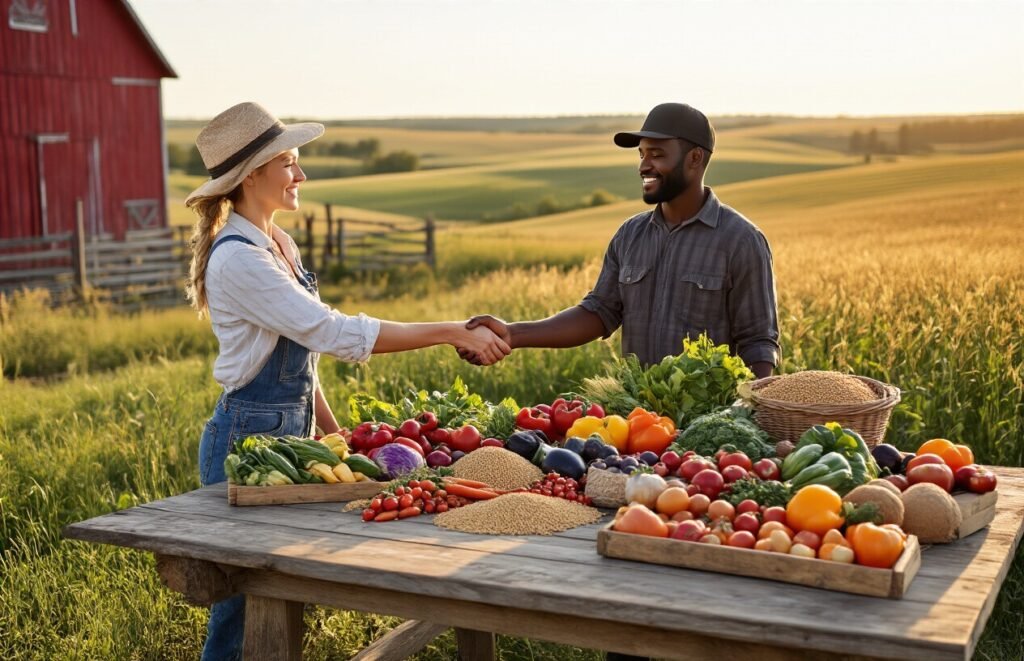
Supporting local Manitoba producers goes way beyond just buying fresh food – you’re building real connections with the people who grow what you eat, keeping money in your community, and making choices that are better for the planet. When you choose Manitoba-grown products, you’re getting the freshest ingredients while cutting down on the environmental costs of long-distance shipping.
The best part is how easy it’s become to find these local treasures. From farmers’ markets to community- supported agriculture programs, there are more ways than ever to connect directly with Manitoba’s hardworking producers. Start small by swapping just one or two items in your weekly shopping for local alternatives – you’ll taste the difference immediately and feel good knowing you’re supporting your neighbors and protecting the environment at the same time.
Top Cleaning and Household Essentials Every Home Needs Keeping your home clean doesn’t have to be overwhelming or expensive when

How to Cook Egusi Soup Like a Pro Egusi soup stands as one of West Africa’s most beloved dishes, but