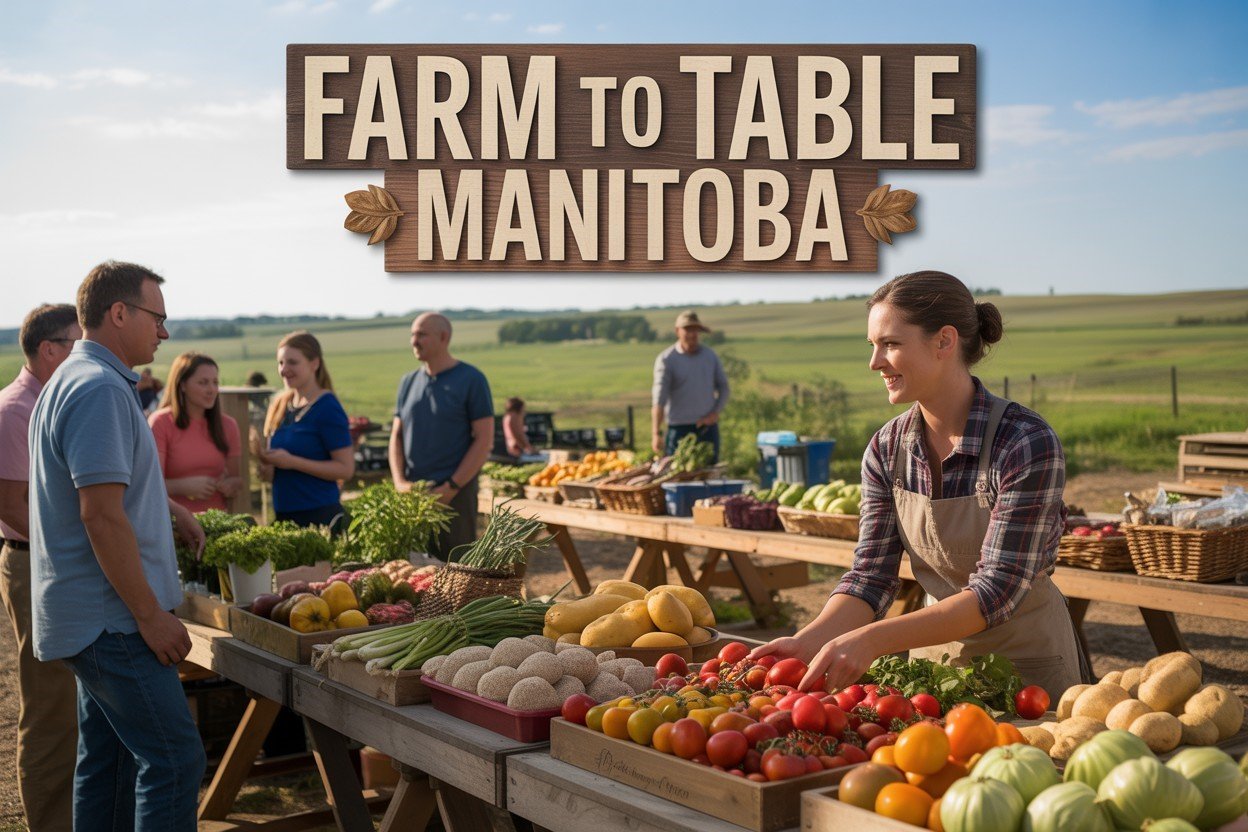
From Farm to Table: Supporting Local Manitoba Producers
From Farm to Table: Supporting Local Manitoba Producers Manitoba’s local food movement connects conscious consumers with fresh, high-quality products straight


Food does more than satisfy hunger – it tells stories. Every spice, recipe, and shared meal connects us to our roots and to each other. When communities celebrate diversity through food, they create lasting friendships and stronger neighborhoods.
Whether you’re a community leader, foodie, or simply curious about your neighbors’ cultures, this story will show how food helps people connect, celebrate, and grow together.
Something magical happens when we eat together. Maria once brought homemade tamales to a neighborhood potluck. Her Korean neighbor, Mrs. Kim, hesitated at first, but one bite turned into a smile that needed no translation. Shared meals like that turn strangers into neighbors. The dinner table becomes neutral ground – where differences become curiosity, not division. Research shows that neighborhoods with regular communal meals experience higher trust and lower prejudice.
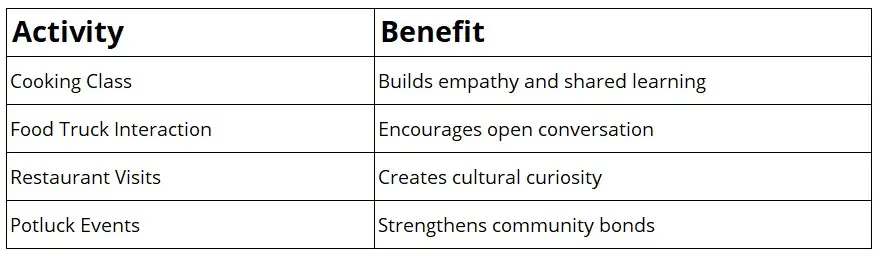
Food opens doors that words can’t. When Ahmed’s Lebanese food truck parks downtown, he serves more than shawarma – he serves stories. Customers often ask about ingredients or the meaning of his dishes, and soon the chat turns into talk about culture, family, and celebration. Cooking classes and fusion collaborations take this further. When people learn to make curry and mole in the same class, they don’t just trade recipes — they trade worldviews.

When Maria Gonzalez and her daughter Isabella moved in, homesickness quickly turned to connection. Every Saturday, Maria opens her kitchen to teach neighbors how to make tamales, explaining the meaning behind each ingredient. Now, other families bring their own traditional dishes. What began as one woman’s comfort cooking has grown into a neighborhood recipe exchange that bridges languages and generations.
Sarah Kim (from Korea) and Elena Petrov (from Russia) met while searching for rare ingredients. Their friendship led to creative dishes – like ‘kimchi borscht’ and ‘Korean pierogis.’ These food experiments inspired others to share – Ethiopian injera lessons from Almaz, Southern comfort cooking from the Johnsons.
When the Al-Hassan family arrived from Syria, isolation hit hard – until a neighbor knocked with a casserole and an invitation. That dinner changed everything. Soon, Fatima was teaching neighbors to make baklava, while Omar grilled lamb for community events.
Eight-year-old Aiden learns soda bread from his Irish grandmother, while young Priya Patel stirs curry beside her mother. Carlos Mendoza flips pupusas with his father. In these kitchens, children don’t just learn cooking – they learn identity.
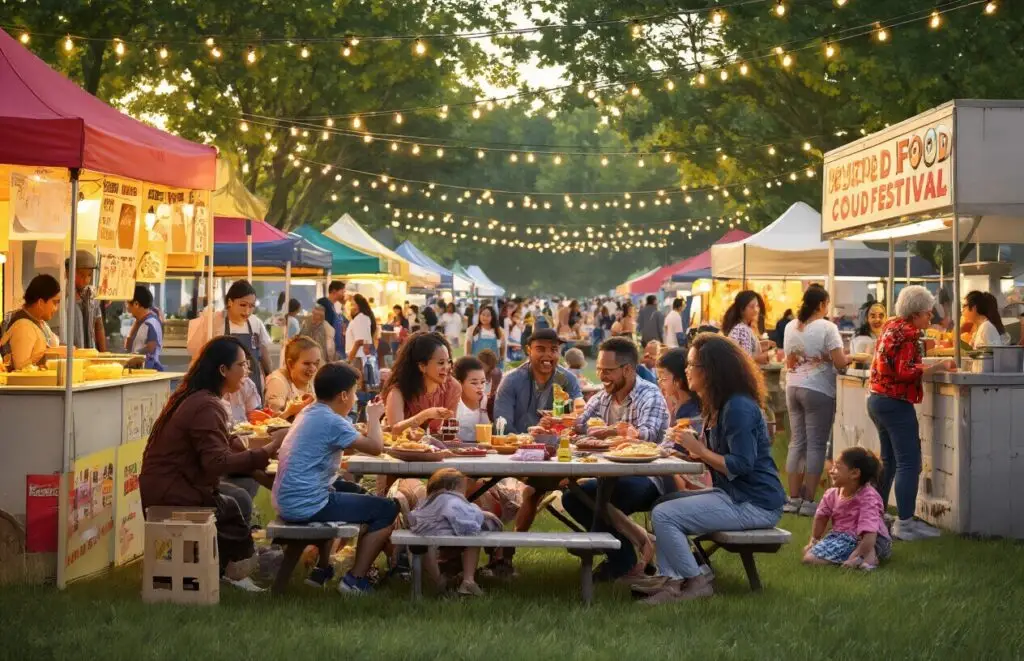
Imagine a neighborhood hall buzzing with chatter and flavor. Tables overflow with biryani, tamales, pierogis, and jerk chicken. Conversations bloom: ‘How do you get your seasoning so perfect?’ ‘What’s the story behind this dish?’ That’s the power of a potluck – authentic connection through food.
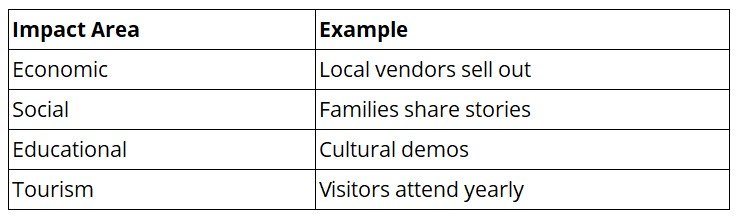
Immigrant-run restaurants and grocery stores add flavor to local economies. Each dollar spent at Ahmed’s shawarma stand or Maria’s tamale shop supports families, creates jobs, and strengthens communities.
Travelers now seek food experiences, not just attractions. Towns like Dearborn and Toronto’s Chinatown show how authentic restaurants can boost tourism and local income. Weekend food festivals draw thousands, generating temporary jobs and lasting business relationships.
Every story, from Maria’s tamales to Omar’s lamb grill, proves one truth — food unites us. It dissolves language barriers, nurtures friendships, and celebrates shared humanity. When families adapt their dishes and open their kitchens, they’re preserving history. When local restaurants thrive, they’re strengthening both culture and economy.
So next time you’re invited to a community dinner or spot a new restaurant opening nearby – say yes. You might discover a new flavor, a new friend, and a new story to tell.
From Farm to Table: Supporting Local Manitoba Producers Manitoba’s local food movement connects conscious consumers with fresh, high-quality products straight

Top Cleaning and Household Essentials Every Home Needs Keeping your home clean doesn’t have to be overwhelming or expensive when